
Refuse Removal Tips to Slash Costs and Boost Recycling
If your refuse removal bill keeps creeping up while your recycling rate stays flat, you’re not alone. Businesses, landlords, and households are all grappling with rising waste fees, stricter regulations, and growing pressure to improve sustainability. The good news: with a few smart strategies, you can cut collection costs significantly and send far less to landfill—without adding a lot of hassle to your daily routine.
Below are practical, field-tested refuse removal tips to help you save money and boost recycling rates, whether you’re managing a home, small business, or multi-site operation.
1. Start With a Simple Waste Audit
Before changing your refuse removal service, you need to know what you’re actually throwing away.
What is a waste audit?
A basic waste audit means:
- Looking at your bins over a typical week
- Noting what types of materials you discard
- Estimating how much is recyclable, compostable, or truly non-recyclable
You don’t need special tools. For most households and small businesses:
- Choose 2–3 “normal” days (no parties, big deliveries, or one-off events).
- When taking out the trash, quickly sort items into mental buckets: recycling (paper, cardboard, cans, bottles), organics (food scraps, garden waste), and residual trash.
- Jot rough percentages: e.g., 40% food waste, 25% cardboard, 10% plastic film, etc.
For larger sites, a more formal audit with sample weighing or a consultant can make sense, but even a rough snapshot reveals big opportunities.
Why this matters for costs
Waste companies typically charge based on:
- Bin size
- Collection frequency
- Weight (in some regions)
- Contamination penalties (when recycling is mixed with trash)
If 30–60% of what’s in your general waste bin is actually recyclable or compostable, you’re paying refuse removal rates for items that could be cheaper—or free—to divert.
2. Right-Size Your Bins and Collection Schedule
One of the fastest ways to slash refuse removal costs is to adjust container sizes and pick-up frequency so they better match your real needs.
Common over-spend scenarios
- Bins are half-empty on collection day. You’re paying for air.
- General waste bins are overflowing, while recycling bins are underused.
- Multiple small bins instead of a single larger, more cost-effective container.
How to right-size your service
Use your waste audit results to guide changes:
- If bins are rarely full:
- Request a smaller bin size or reduce collection frequency (e.g., weekly to fortnightly).
- If general waste is overflowing but recyclables are in trash bags:
- Add or enlarge recycling and/or organics bins and step up communication on what goes where.
- If you have multiple underused containers:
- Consolidate into one appropriately sized container to reduce rental and service fees.
Most refuse removal providers are surprisingly flexible, because optimizing routes benefits them too. A short conversation with your hauler can produce immediate savings.
3. Separate Recyclables Properly to Avoid Contamination Fees
Many people assume that putting more items into the recycling bin is always good. In reality, tossing the wrong things in can trigger contamination fees and even lead to entire loads being landfilled.
Common contamination culprits
- Food-soiled containers (greasy pizza boxes, un-rinsed takeaway tubs)
- Plastic bags and soft films mixed into paper or container streams
- Non-recyclable packaging (like certain multi-layer pouches)
- Hazardous items (batteries, electronics, chemicals)
Simple steps to keep recycling clean
- Rinse food containers lightly. They don’t need to be spotless—just scrape or swish quickly to remove residue.
- Keep plastic bags and films separate. If your local system doesn’t accept them curbside, use dedicated store drop-off programs where available.
- Follow your hauler’s exact list. Different cities accept different items—check their website or printed guide and stick to it.
- Train staff or family members. Post a simple “Yes / No” sign over bins in shared spaces.
Clean, correctly sorted recycling not only avoids surcharges; it also strengthens the economics of recycling programs overall (source: U.S. EPA).
4. Cut Waste at the Source: Buy Smarter, Waste Less
The best way to reduce refuse removal costs is to create less waste in the first place. Every item you don’t buy is something you don’t need to store, handle, or pay to dispose of.
Reduce packaging and single-use items
- Choose products with minimal or bulk packaging.
- Prefer refillable options (cleaning supplies, hand soap, coffee, water dispensers).
- Replace disposables (paper plates, plastic cutlery, single-use cups) with reusables wherever practical.
Avoid over-ordering
For businesses:
- Review purchasing patterns to eliminate routinely overstocked items that end up being trashed.
- Coordinate between departments to prevent double-ordering supplies.
For households:
- Plan meals and stick to a shopping list to reduce food waste.
- Use the “first in, first out” rule in fridges and pantries.
Every pound of waste you don’t create translates into smaller bins or fewer pickups in your refuse removal contract.
5. Introduce Organics Collection or Composting
Food scraps and yard trimmings often make up the largest single chunk of general waste. Diverting organics can dramatically reduce the volume and weight of your refuse.
Options for organics
-
Curbside organics bin:
Where available, this is usually the easiest solution. Ask your hauler if they offer:- Food-only collection
- Food + yard waste collection
-
On-site composting:
Great for households and some small businesses with space and interest. Basic composting systems can handle:- Fruit and vegetable scraps
- Coffee grounds and filters
- Yard waste (leaves, grass, small branches)
-
Commercial composting services:
Common for larger generators (restaurants, campuses, multi-family housing). These may handle:- Meats and dairy
- Compostable packaging (certified items only)
Financial benefits
- Organics diversion reduces general waste bin volume and potentially weight-based fees.
- In some regions, compost or organics services are cheaper per unit than general refuse removal, especially for high-volume food businesses.
6. Improve Bin Placement, Labeling, and Access
Behavior is heavily influenced by convenience. If your recycling bins are hard to find or poorly labeled, people will default to the nearest trash can.
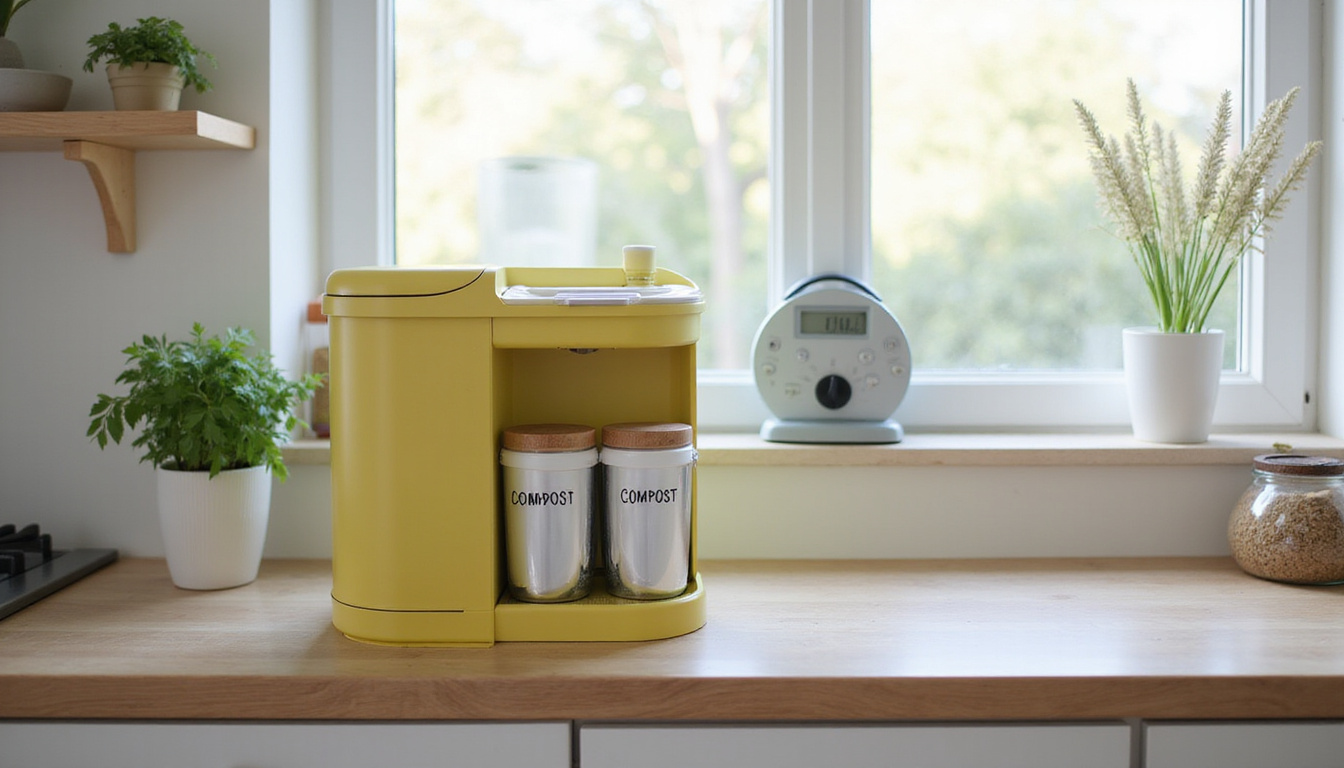
Make the “right thing” the easy thing
- Place recycling next to every trash bin. Avoid “orphan” trash cans with no recycling partner.
- Use clear, large labels and color coding. Pictures help overcome language barriers.
- Standardize across the site. The same colors and signs everywhere reduce confusion.
- Keep lids easy to lift or use flap openings that match item shapes (bottle-sized openings for cans/bottles).
For multi-tenant buildings or offices, a simple bin redesign project can noticeably increase recycling rates and reduce general refuse removal needs without any complex policy changes.
7. Negotiate and Compare Refuse Removal Contracts
Once you’ve reduced and restructured your waste, revisit your contract. Refuse removal pricing is often negotiable, especially if you’re a reliable long-term customer.
What to look at in your contract
- Container rental fees
- Collection frequency and days
- Overweight or contamination charges
- Term length and auto-renewal clauses
- Price adjustment clauses (fuel surcharges, CPI increases)
How to negotiate better terms
-
Gather data from your audit and recent months. Show that you’ve reduced volume and improved sorting.
-
Request multiple quotes. Use at least one competitor’s proposal as leverage if market rules allow it.
-
Bundle services strategically. Some haulers offer better pricing if you use them for:
- General waste
- Recycling
- Organics
- Special collections (e-waste, bulky items)
-
Ask for performance-based pricing. For example, lower rates if contamination stays below an agreed threshold.
Keeping a calendar reminder 60–90 days before contract renewal gives you time to review options instead of rolling into another year on outdated terms.
8. Manage Special and Bulky Waste Separately
Throwing everything into your regular bin is convenient but costly. Certain items are cheaper—or even free—to dispose of through dedicated channels.
Examples of special streams
- E-waste: Computers, phones, printers, batteries
- Metals: Scrap metal often has resale value
- Construction and renovation debris: Wood, drywall, tiles
- Bulky items: Furniture, mattresses, appliances
- Hazardous materials: Paints, chemicals, fluorescent bulbs
How this cuts costs
- Avoids contaminating regular loads and triggering extra fees
- May reduce the need for oversized general waste containers
- In some cases, you can earn rebates (for metals or large volumes of specific recyclables)
Check local authority websites for community drop-off days, household hazardous waste facilities, or approved recycling partners for electronics and bulky items.
9. Engage People: Build Simple Habits and Accountability
Even the best system fails if people ignore it. Make refuse removal and recycling everyone’s responsibility without overcomplicating it.
For businesses and multi-tenant sites
- Provide brief onboarding training on waste and recycling.
- Share simple “before and after” stats to show results and motivate participation.
- Assign a waste champion or green team to:
- Monitor bin contamination
- Suggest improvements
- Liaise with the hauler
For households
- Agree on where bins go and what goes into each.
- Involve kids with age-appropriate tasks (rinsing containers, taking out recycling).
- Do a quick “bin check” once a month and adjust habits as needed.
Clear expectations and light-touch accountability maintain the savings you’ve worked to build into your refuse removal setup.
10. Track Your Progress and Adjust Regularly
Refuse removal patterns change over time with seasons, staff levels, or life events. Reviewing your system periodically keeps it optimized.
Simple tracking ideas
- Take a quick photo of bins on collection day once a month to see fill levels.
- Note any recurring contamination issues (e.g., plastic bags in the paper bin).
- Re-audit after major changes: office expansion, moving house, new product lines.
If bins are consistently overflowing or half-empty again, it’s time to tweak sizes or pick-up frequency. Small periodic adjustments prevent you from slipping back into overpaying.
FAQ: Refuse Removal and Recycling
Q1: How can I lower my refuse removal bill without changing providers?
Focus on reducing volume and improving sorting first. Conduct a quick waste audit, divert recyclables and organics from general trash, right-size bin sizes and collection frequency, and avoid contamination fees. Then present your new usage data to your current provider and ask them to adjust service levels and costs accordingly.
Q2: What is the most cost-effective way to handle household refuse removal and recycling?
For most households, the best mix is: the smallest general waste bin you can manage, a well-used recycling bin that matches your local program, and an organics solution (municipal green bin or home composting). Combine that with smarter purchasing and less food waste to keep volumes low and trips to the curb minimal.
Q3: Are commercial refuse removal and recycling services worth it for small businesses?
Yes—if you tailor them to your actual waste stream. Small businesses often start with a one-size-fits-all package that’s too big or too frequent. By auditing your waste, separating recyclables and organics, and negotiating bin sizes and schedules, you can usually find a setup where the cost is more than offset by operational efficiency and avoided overage or contamination charges.
Optimizing your refuse removal system isn’t about doing more work—it’s about doing the right work. With a straightforward waste audit, smarter purchasing, better bin design, and a quick contract review, you can cut costs and dramatically increase how much you recycle or compost.
If you’re ready to turn these ideas into real savings, start by reviewing your current bins and last month’s waste patterns today. Then speak with your refuse removal provider about right-sizing your service and adding the recycling or organics options that fit your needs. A few conversations and small changes now can pay off in lower bills and a cleaner environmental footprint for years to come.
[color=rgba(20, 20, 20, 0.6)]Junk Guys Orange County[/color]
[color=rgba(20, 20, 20, 0.6)]Phone: [/color][color=rgba(20, 20, 20, 0.6)]714-908-7314[/color]
[color=rgba(20, 20, 20, 0.6)]Website: [/color]www.junkguysoc.com
[color=rgba(20, 20, 20, 0.6)]Email: [/color]junkguysoc@gmail.com