Bulk waste disposal in urban areas is a critical challenge faced by municipalities worldwide. With increasing population density and consumption patterns, the volume of large waste items such as furniture, appliances, and construction debris has surged dramatically. Efficiently managing this type of waste is essential to maintain clean, healthy, and sustainable cities. In this article, we will explore the top strategies for bulk waste disposal that urban planners, local governments, and residents can adopt to optimize waste management processes and minimize environmental impact.
Understanding Bulk Waste and Its Challenges
Bulk waste refers to large, bulky items that cannot be disposed of through regular household trash collection. Examples include old sofas, mattresses, refrigerators, and demolition materials. Unlike regular waste, bulk waste often requires specialized handling, transportation, and processing methods due to its size and composition.
Urban areas encounter unique challenges with bulk waste disposal, such as limited space for collection points, high disposal costs, and difficulties coordinating pickups. Moreover, improper disposal often leads to illegal dumping, which poses health hazards and environmental problems. Therefore, an efficient bulk waste disposal strategy must address these challenges by combining effective policy, infrastructure, community engagement, and innovative technologies.
1. Scheduled Bulk Waste Collection Programs
Implementing regular, scheduled bulk waste collection days is a straightforward but effective approach. These programs inform residents in advance about when and how to dispose of large items, ensuring waste is gathered systematically and reducing illegal dumping.
Key advantages include:
- Predictability for residents and waste management teams.
- Concentrated collection efforts improving operational efficiency.
- Better planning for sorting, recycling, or landfill disposal.
Municipalities can enhance these programs by providing booking options for residents and mobile app notifications, improving participation rates.
2. Dedicated Bulk Waste Drop-Off Centers
Setting up designated drop-off centers exclusively for bulk waste can significantly improve disposal efficiency. These centers should be conveniently located and equipped with appropriate handling equipment to sort, compact, and process bulky items.
Benefits include:
- Encouraging residents to dispose of bulky waste properly.
- Facilitating segregation of recyclables such as metal, wood, and plastics.
- Reducing contamination of regular waste streams.
Cities can support these centers with public awareness campaigns and incentives, such as discounts on waste disposal fees or rewards for recycling electronics and appliances.
3. Public-Private Partnerships (PPP) for Waste Management
Many urban areas have found success collaborating with private companies specializing in waste disposal or recycling services. These partnerships bring in expertise, additional resources, and innovative technologies that boost bulk waste processing.
Key features may include:
- Contracted collection services tailored to urban needs.
- Deployment of advanced equipment like compactors and shredders.
- Integration of bulk waste into circular economy initiatives.
Public-private collaboration can also drive cost efficiencies and improve overall service quality, benefiting both residents and municipal authorities.
4. Enhanced Recycling and Reuse Programs
Bulk waste often contains valuable materials suitable for recycling. Encouraging separate collection and processing of items like metals, wood, and electronics reduces landfill burden and promotes resource conservation.
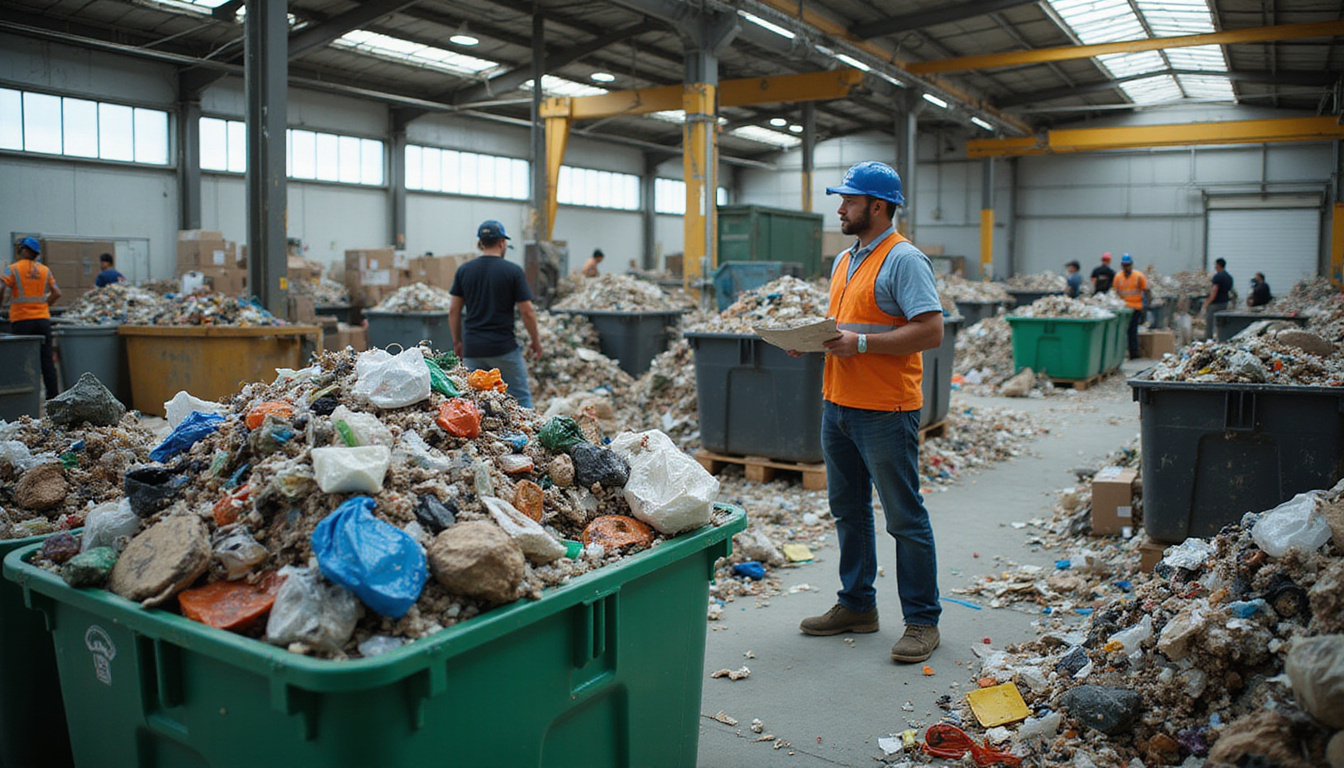
Strategies to enhance recycling include:
- Establishing materials recovery facilities (MRFs) specifically for bulky waste.
- Educating the public about sorting and donating reusable items.
- Partnering with charitable organizations to redistribute usable furniture and appliances.
Recycling and reuse not only lower environmental impact but also stimulate local economies by creating green jobs.
5. Use of Smart Waste Management Systems
Incorporating technology plays an increasing role in modern bulk waste disposal. Smart systems use sensors, GPS tracking, and data analytics to optimize collection routes, monitor waste volumes, and improve scheduling.
Benefits involve:
- Reduced operational costs due to route optimization.
- Real-time tracking and communication enhancing transparency.
- Data-driven decision-making for resource allocation.
Cities adopting smart waste solutions report increased efficiency and responsiveness, improving resident satisfaction.
6. Community Engagement and Awareness Campaigns
Effective bulk waste disposal depends on active community participation. Regular communication campaigns can educate residents on disposal rules, promote recycling, and discourage illegal dumping.
Effective tactics include:
- Social media outreach and informational brochures.
- Workshops and events promoting sustainable waste habits.
- Incentive programs rewarding responsible disposal behaviors.
By fostering a culture of environmental stewardship, cities can achieve long-term improvements in bulk waste management.
Bulk Waste Disposal Best Practices: A Quick Checklist
To summarize, here are the essential practices urban areas should implement for efficient bulk waste disposal:
- Establish clear schedules and booking systems for bulky waste collection.
- Provide accessible bulk waste drop-off centers with proper sorting facilities.
- Engage private sector partners to leverage expertise and technology.
- Promote recycling and reuse through dedicated programs and partnerships.
- Integrate smart technology for data-driven waste management operations.
- Conduct continuous community awareness campaigns to encourage compliance.
Implementing these strategies in a coordinated manner equips cities to manage bulk waste effectively and sustainably.
FAQ About Bulk Waste Disposal in Urban Areas
Q1: What types of waste are considered bulk waste in urban areas?
Bulk waste includes large items such as discarded furniture, large household appliances, construction debris, mattresses, and other oversized materials that do not fit into conventional refuse bins.
Q2: How can residents find out about bulk waste disposal schedules?
Most municipal governments provide regular updates on bulk waste collection schedules via their official websites, mobile apps, or direct mailings. Some cities also offer booking services for on-demand pickups.
Q3: What are the environmental benefits of effective bulk waste disposal?
Proper bulk waste disposal minimizes illegal dumping, reduces landfill use, conserves natural resources through recycling, and lowers pollution, contributing to healthier urban environments (EPA).
Conclusion: Embrace Smart Strategies for Cleaner Cities
Bulk waste disposal poses significant challenges in densely populated urban areas, but it also presents opportunities for innovation and sustainability. By adopting the top strategies outlined above—such as scheduled collections, drop-off centers, public-private partnerships, enhanced recycling, smart technology, and community engagement—cities can streamline their waste management processes effectively.
Adopting these approaches not only improves cleanliness and public health but also fosters a circular economy, reducing the environmental footprint of urban living. Whether you are a city official, waste management professional, or concerned resident, now is the time to advocate for and participate in smarter bulk waste disposal solutions. Together, we can build cleaner, greener urban spaces for current and future generations.
For more detailed guidelines and practical tools on municipal solid waste management, you can visit the United States Environmental Protection Agency (EPA) site to explore best practices and resources.
Take action today by contacting your local waste authority to learn about bulk waste disposal programs in your area—and encourage neighbors and community groups to join the effort!
[color=rgba(20, 20, 20, 0.6)]Junk Guys Orange County[/color]
[color=rgba(20, 20, 20, 0.6)]Phone: [/color][color=rgba(20, 20, 20, 0.6)]714-908-7314[/color]
[color=rgba(20, 20, 20, 0.6)]Website: [/color]www.junkguysoc.com
[color=rgba(20, 20, 20, 0.6)]Email: [/color]junkguysoc@gmail.com