
If you’ve been avoiding your attic, you’re not alone — but an attic cleanout can change that quickly. A focused attic cleanout clears clutter, reduces pest habitat, improves air quality, and helps you find usable storage space without a huge renovation. This guide walks you through safe, practical steps so you can reclaim space and keep unwanted critters out.
Why an attic cleanout matters
An attic is more than just a spot to stash boxes. Left unchecked it becomes an ideal environment for rodents, insects, mold, and moisture damage. Regular cleanouts reduce fire hazards from old wiring and combustible clutter, let you spot insulation or roof issues early, and make your home more energy-efficient by exposing gaps and damaged insulation. If pests are already present, removing nesting materials and food sources is the first line of defense.
What to check before you start
Before you climb up, take a few minutes to inspect and prepare:
- Confirm safe access: Is your attic entry and ladder secure?
- Look for signs: droppings, chewed insulation, staining (water), and sagging decking.
- Consider season and temperature: summer attics can be dangerously hot; in winter, watch for ice dam-related leaks.
- If you suspect asbestos, lead paint, structural damage, or a significant rodent infestation, call a professional.
Tools and supplies you’ll need
Gather supplies so the job is efficient and safe:
- Sturdy ladder and good lighting (headlamp)
- N95 or P100 respirator, gloves, and safety glasses
- Trash bags or contractor bags and boxes for sorting
- Rigid storage bins, labels, and a marker
- Broom, shop vac with HEPA filter, and dustpan
- Flashlight and replacement batteries
- Tape measure and plastic sheeting or drop cloth
- Rodent traps or bait stations if needed
Step-by-step attic cleanout (follow these quick steps)
- Prepare and protect: Put on PPE (respirator, gloves, eye protection). Lay drop cloths at the attic entry to catch dirt. Ensure the attic floor can bear your weight; only step on joists or existing flooring.
- Remove obvious trash: Carry out broken items, empty boxes, and fragile trash first. Use trash bags for lightweight debris and boxes for recyclables or donation items.
- Sort into piles: Create "Keep," "Donate/Sell," "Recycle," and "Trash" zones. Handle keeps in sturdy bins; soft items (clothes, linens) should be inspected for pests before returning.
- Inspect insulation and structure: Look for wet, matted, or displaced insulation, which indicates leaks or animal nesting. Check roof sheathing for stains or light penetration. Take photos of damage for insurance or repair estimates.
- Clean surfaces: Sweep dust and debris into a shop vac with a HEPA filter. Avoid stirring up dust; work methodically from one side to the other.
- Remove pest evidence: Clear out nests, droppings, and nesting materials using glove-lined tools and dispose of them in sealed bags. Sanitize small areas if needed; for heavy contamination call a pro.
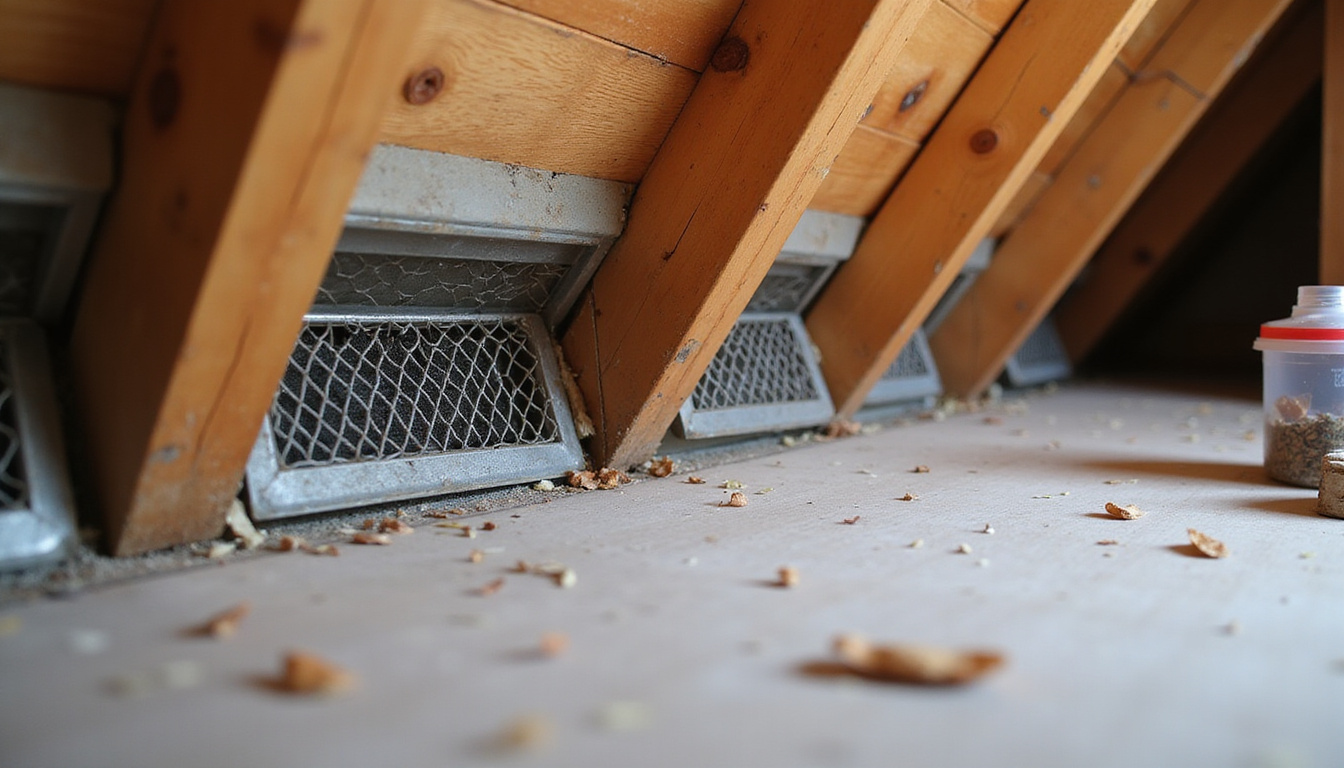
- Seal entry points: Patch gaps around vents, eaves, and utility lines with foam sealant or durable mesh. Use wire screens on gable vents and soffits to keep pests out.
- Improve storage and organization: Place items in plastic bins with tight lids, label them clearly, and keep an aisle for access. Avoid storing cardboard on the attic floor where it can attract pests or moisture.
- Final check: Re-check for insulation issues, confirm repairs or professional visits are scheduled, and ensure the attic door is secure and weatherstripped.
Safety tips to protect yourself and your home
- Never step between joists where there is only ceiling drywall below; you could fall through.
- Use a proper respirator (N95 minimum) to avoid inhaling dust, mold spores, or rodent allergens.
- If you find mold covering more than about 10 square feet, the EPA recommends consulting trained professionals for remediation (EPA).
- Keep a charged phone and let someone know you’re working in the attic, especially if you’re alone.
How to prevent pests after an attic cleanout
A clean attic is less inviting to pests, but prevention matters:
- Seal gaps and cracks: Use steel wool and caulk or expanding foam for small gaps; larger holes may need hardware cloth or professional repair.
- Remove food attractants: Don’t store open food, pet food, or birdseed in the attic.
- Maintain insulation and ventilation: Adequate ventilation reduces moisture that attracts insects and supports mold growth.
- Trim tree branches away from the roof and keep gutters clean to lessen rodent and insect access.
- Regularly inspect the attic and eaves at least twice a year.
Smart storage systems that work in the attic
Use long-term storage strategies that reduce future cleanouts:
- Clear plastic bins with sealed lids — easy to stack and pest-resistant.
- Label both top and side of each bin for fast retrieval.
- Place rarely used items furthest back; keep seasonal items closer to the attic access.
- Avoid storing heavy items on insulation; use shelving or temporary plywood platforms supported by joists.
When to call a professional
Consider hiring a professional if:
- You find extensive mold, asbestos, or contaminated insulation.
- Structural damage or major roof leaks are present.
- A severe rodent infestation exists (droppings, visible animals, gnawing).
- You are uncomfortable or unable to safely access the attic.
Professionals can safely remove hazards, remediate contamination, and offer long-term exclusion solutions.
Quick checklist to reference
- Secure ladder and lighting
- Wear PPE (respirator, gloves, glasses)
- Sort into Keep/Donate/Trash/Recycle
- Inspect insulation and structure
- Clean and vacuum with HEPA
- Seal entry points and label storage
FAQ — common questions about attic cleanout
Q: How often should I schedule an attic cleanout?
A: For most homeowners, an attic cleanout every 1–3 years is sufficient. If you’ve had pests, roof leaks, or renovations, perform a focused attic cleanout sooner to address problems quickly.
Q: Is an attic clean out different from attic cleaning?
A: “Attic clean out” usually implies removing clutter, trash, and pest evidence; “attic cleaning” can mean a lighter dusting or sweeping. If mold or structural damage is present, that goes beyond routine attic cleaning and requires remediation.
Q: Can I do an attic cleanout myself, or should I hire someone?
A: Many attic cleanouts are DIY-friendly if you have safe access and basic tools. However, hire a pro for major infestations, mold, asbestos concerns, or if you’re unsure about structural safety.
Authoritative reference
For guidance on dealing with larger mold problems and when to involve professionals, consult the EPA’s resources on mold cleanup and remediation (https://www.epa.gov/mold) (EPA).
Final thoughts and call to action
An attic cleanout is one of the most cost-effective ways to improve home safety, reclaim storage, and prevent pests. With proper planning, the right supplies, and attention to safety, you can complete a thorough cleanup in a single afternoon and cut down on future problems. Ready to reclaim that space? Start by scheduling a weekend to sort and clean, or contact a trusted local professional if your attic needs expert remediation — take the first step today and protect your home from hidden hazards.
[color=rgba(20, 20, 20, 0.6)]Junk Guys Orange County[/color]
[color=rgba(20, 20, 20, 0.6)]Phone: [/color][color=rgba(20, 20, 20, 0.6)]714-908-7314[/color]
[color=rgba(20, 20, 20, 0.6)]Website: [/color]www.junkguysoc.com
[color=rgba(20, 20, 20, 0.6)]Email: [/color]junkguysoc@gmail.com