Dealing with large amounts of waste can be overwhelming, but understanding bulk waste pickup can simplify the process significantly. Bulk waste pickup refers to the collection of oversized or voluminous waste items that don’t fit into regular trash bins. Whether you’re decluttering your home, renovating, or managing a commercial property, knowing how to handle bulk waste responsibly is crucial. In this article, we’ll explore essential tips for efficient and eco-friendly bulk waste pickup that help you reduce environmental impact and streamline disposal.
What Is Bulk Waste Pickup?
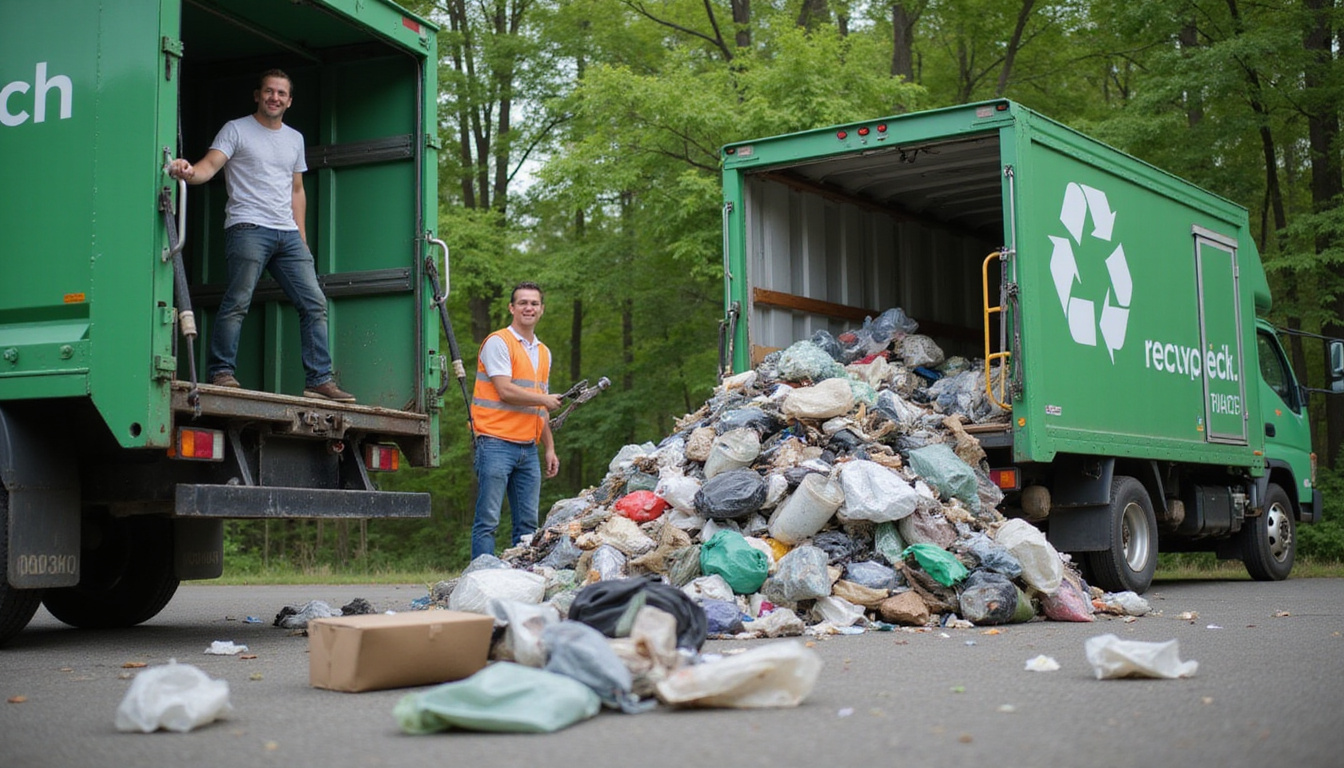
Bulk waste pickup involves gathering and disposing of items that are too large or heavy for standard waste collection services. This includes furniture, appliances, mattresses, large tree branches, and construction debris. Many local governments or private companies offer specialized services for bulk waste pickup, often requiring scheduling in advance.
Understanding the guidelines and options for bulk waste pickup is important to avoid improper disposal, which can lead to fines or environmental harm. It also ensures that reusable or recyclable materials are diverted from landfills whenever possible.
Why Proper Bulk Waste Pickup Matters
The significance of bulk waste pickup extends beyond mere convenience:
- Environmental Protection: Proper disposal and recycling reduce landfill burden and prevent hazardous materials from contaminating soil and water.
- Community Cleanliness: Efficient waste pickup keeps neighborhoods safe and visually appealing.
- Legal Compliance: Adhering to local waste regulations helps avoid penalties.
- Resource Recovery: Many bulky items can be recycled or refurbished, conserving resources.
By adopting eco-friendly bulk waste pickup practices, you contribute to sustainable waste management and protect natural resources.
Planning Your Bulk Waste Pickup: Step-by-Step Tips
Efficient bulk waste pickup starts with planning. Here are essential steps to prepare:
- Identify the Items: Make a list of all bulk waste items you want to dispose of, such as old furniture, appliances, or garden waste.
- Check Local Regulations: Contact your municipal waste department or visit their website to learn about bulk waste pickup schedules, rules, and prohibited items.
- Schedule Pickup: Many communities require appointments for bulk waste collection; book your slot well in advance.
- Prepare Items Properly: Some items may need disassembly or special removal (like removing refrigerator doors) to meet collection standards.
- Sort Recyclables and Hazardous Waste: Separate materials such as electronics, batteries, or chemicals for special disposal services.
- Arrange Pickup Location: Place items at the designated curbside or collection point before the scheduled pick-up time.
Following these guidelines ensures that your bulk waste is collected efficiently without causing delays or violations.
Eco-Friendly Strategies for Bulk Waste Disposal
Incorporating environmentally responsible methods into your bulk waste pickup helps reduce your ecological footprint. Consider the following eco-friendly strategies:
- Donate or Sell Usable Items: Before discarding furniture or appliances, check if they can be donated to charities or sold online.
- Recycle Appropriately: Items like metal, glass, and certain plastics can be recycled through local programs.
- Avoid Landfills: Bulk items sent directly to landfills contribute heavily to pollution. Instead, seek dedicated bulk recycling centers.
- Compost Organic Waste: If you have bulky garden waste, composting is a sustainable alternative.
- Hire Certified Waste Haulers: Some private services specialize in green disposal and recycling of bulky waste.
- Use DIY Solutions: Breaking down large items to fit normal trash or recycling bins might be viable in some cases.
Implementing these approaches aligns your bulk waste pickup process with environmental stewardship principles.
Common Challenges and How to Overcome Them
Bulk waste disposal can present obstacles. Here’s how to handle common issues:
- Limited Pickup Days: Plan ahead since many municipalities offer only monthly or bimonthly bulk pickups.
- Prohibited Items: Identify and exclude hazardous items (like paints, chemicals, electronics) from bulk waste to avoid complications.
- Excess Volume: For very large cleanouts, rent a dumpster or contact private hauling services.
- Lack of Information: Reach out to local environmental agencies or waste authorities if guidelines are unclear.
- Cost Concerns: Some services may charge fees; compare community offerings and private options.
By anticipating these challenges, you’ll achieve smoother bulk waste pickup experiences.
Bulk Waste Pickup Services: What to Expect
When arranging bulk waste pickup, understanding service specifics helps manage expectations:
- Collection Limit: Most services have limits on quantity or weight per pickup.
- Item Restrictions: Check which items are accepted and prepare accordingly.
- Pickup Timings: Follow scheduled pickup windows and location instructions.
- Fees and Permits: Some bulk pickups are free, while others require fees or permits.
- Recycling and Disposal Methods: Ask whether items will be recycled, donated, or landfilled.
These details help you plan disposal more effectively and maximize environmental benefits.
5 Essential Tips for Efficient Bulk Waste Pickup
To recap, here are five essential tips for smooth and responsible bulk waste pickup:
- Research Local Rules: Familiarize yourself with local bulk waste policies to avoid violations.
- Plan and Schedule Early: Book bulk pickups in advance to ensure timely service.
- Sort Waste Carefully: Separate recyclables and hazardous items to streamline processing.
- Prepare Items Properly: Disassemble or secure bulky items for safe and easy handling.
- Opt for Eco-Friendly Disposal: Consider donation, recycling, or green hauling options wherever possible.
Following these tips will help you dispose of bulk waste efficiently and sustainably.
Frequently Asked Questions About Bulk Waste Pickup
1. How do I schedule bulk waste pickup in my area?
Most cities allow you to schedule bulk waste pickup online or via phone through their sanitation department. Check your local government’s website or call them directly for specific instructions.
2. What items are typically accepted in bulk waste pickup?
Accepted items usually include furniture, large appliances, mattresses, and yard waste. Items like hazardous waste or electronics may require separate disposal services.
3. Can I recycle bulky waste during bulk pickup?
Yes, many bulk waste programs separate recyclable materials such as metal and glass for proper processing. Always check if your service offers recycling options and sort items accordingly.
Conclusion: Make Bulk Waste Pickup Easy and Eco-Conscious
Mastering bulk waste pickup is a vital part of maintaining a clean, compliant, and environmentally responsible lifestyle. By understanding local regulations, planning correctly, and prioritizing eco-friendly methods like recycling and donating, you can significantly reduce your waste’s impact on the planet. Don’t let bulky waste pile up or cause stress—use the tips and strategies outlined in this article to take control. Start by contacting your local waste management service today and schedule your bulk waste pickup. Every step you take toward responsible disposal helps build a healthier, cleaner community and protects the environment for future generations.
For more detailed guidelines on sustainable waste disposal practices, visit the Environmental Protection Agency’s website (source).
Take action now—efficient bulk waste pickup is just a call or click away!
[color=rgba(20, 20, 20, 0.6)]Junk Guys Orange County[/color]
[color=rgba(20, 20, 20, 0.6)]Phone: [/color][color=rgba(20, 20, 20, 0.6)]714-908-7314[/color]
[color=rgba(20, 20, 20, 0.6)]Website: [/color]www.junkguysoc.com
[color=rgba(20, 20, 20, 0.6)]Email: [/color]junkguysoc@gmail.com