Disposing of large, unwanted items can be a challenge, especially when they don’t fit into your regular trash bins. That’s where bulk trash pickup services come in—offering an easy, efficient way to get rid of oversized waste without the hassle. Whether you’re clearing out after a renovation, decluttering your home, or managing commercial waste, understanding how bulk trash pickup works is essential for a smooth experience. In this guide, we’ll cover everything you need to know about bulk trash pickup, so you can dispose of big items responsibly and conveniently.
What Is Bulk Trash Pickup?
Bulk trash pickup refers to a service provided by municipal waste management or private companies, designed specifically for collecting large items that are too big for standard garbage collection. These often include:
- Furniture (sofas, mattresses, tables)
- Large appliances (refrigerators, washing machines)
- Construction debris
- Yard waste (tree branches, large shrubs)
- Other oversized household goods
Unlike regular curbside trash collection, bulk trash pickup usually requires special scheduling or adherence to guidelines on what and when you can dispose of items.
Why Use Bulk Trash Pickup?
Using bulk trash pickup services offers several key benefits:
- Convenience: Easily dispose of large items without needing to transport them to a landfill or recycling center yourself.
- Safety: Avoid the risks associated with moving heavy or bulky waste on your own.
- Environmental responsibility: Proper disposal ensures that recyclable or hazardous materials are handled correctly, reducing environmental impact.
- Compliance: Avoid fines or penalties from improper dumping by following local bulk waste regulations.
Whether your municipality offers this service for free or at a fee, it streamlines the disposal process and helps maintain community cleanliness.
How Does Bulk Trash Pickup Work?
The process for bulk trash pickup can vary depending on your location and the service provider, but generally follows these steps:
- Check eligibility: Confirm which items qualify for bulk trash pickup through your city or waste provider’s website.
- Schedule a pickup: Many local governments require residents to schedule a pickup date, either online or by phone. Some areas have set collection days.
- Prepare your items: Place items at the curb on the specified day, making sure they’re separated from regular trash and recyclables.
- Follow guidelines: Some items may need to be disassembled or secured to prevent accidents. Hazardous materials like paint or batteries typically are not accepted.
- Pickup: The waste removal team collects your bulk items for proper disposal or recycling.
Tips for Making Bulk Trash Pickup Easy and Effective
To get the most out of your bulk trash pickup service, keep these best practices in mind:
- Plan ahead: Check local pickup schedules or deadlines—some communities have specific times for bulk waste collection, often monthly or quarterly.
- Know the rules: Each jurisdiction sets its own regulations on allowable items and quantities.
- Group similar items: This can speed up the pickup process and reduce confusion.
- Use designated areas: Place items in approved pickup spots, typically the curb or a designated staging area.
- Avoid hazardous waste: Separate electronics, chemicals, and other hazardous waste, as they usually require special disposal.
By following these tips, you’ll help ensure your bulk trash pickup goes smoothly and without delay.
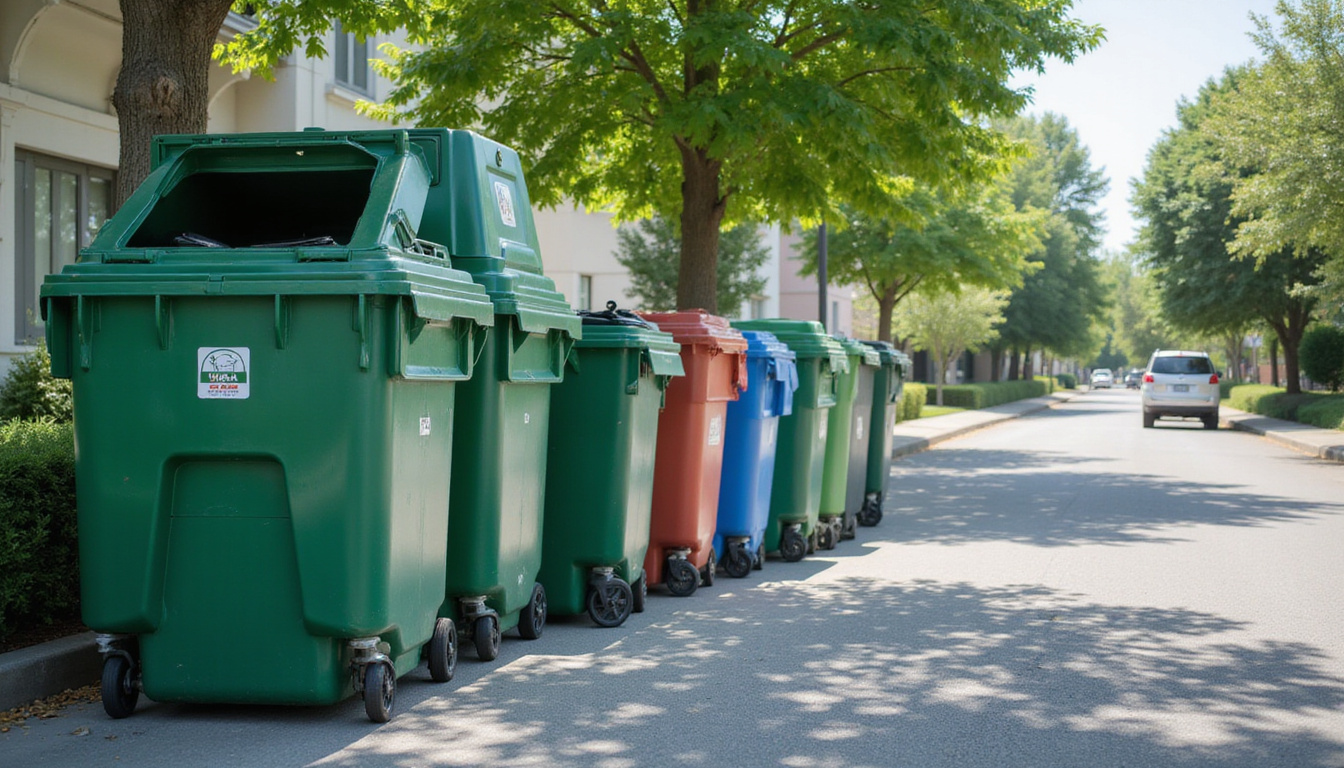
Common Items Accepted and Not Accepted in Bulk Trash Pickup
Before scheduling your pickup, it’s important to know which items waste collectors will accept. Here’s a general guideline:
Typically Accepted Items
- Large furniture (couches, chairs, mattresses)
- Appliances (stoves, refrigerators, washers; sometimes require door removal for safety)
- Carpeting and rugs (usually rolled and tied)
- Tree branches and yard waste (bundled)
- Construction debris (within limits; no hazardous materials)
Items Usually Not Accepted
- Electronics (TVs, computers – often require e-waste programs)
- Hazardous waste (paint, chemicals, batteries)
- Tires
- Medical waste
- Business or commercial waste (may require special services)
Check with your local waste management agency for a precise list. For example, the U.S. Environmental Protection Agency provides guidance on waste disposal, including bulk items, which can offer helpful information (source).
How to Schedule Bulk Trash Pickup
Scheduling bulk trash pickup varies by location but usually involves one of the following:
- Online portals: Many cities offer websites or apps where residents can request pickups.
- Phone requests: Municipal customer service lines can help schedule.
- Mail-in forms: Some areas require filling out and mailing request forms.
- Drop-off events: Occasionally, cities host bulk waste drop-off days at local facilities.
To avoid frustration, check your city’s official website or contact local waste management to learn the exact procedure.
Cost of Bulk Trash Pickup
Some communities provide free bulk trash pickup to residents as part of municipal waste services. Others charge a fee based on volume or number of items. Private companies also offer pickup services, sometimes including same-day or scheduled pickups, often at a premium price.
Factors influencing cost include:
- The size and type of items
- Distance from the disposal site
- Volume or weight of the bulk waste
- Additional services like pickup and disposal of hazardous materials
Be sure to research local options to find the best service for your needs and budget.
Alternatives to Bulk Trash Pickup
If bulk trash pickup isn’t available or suitable, consider these alternatives:
- Donation: Furniture and appliances in good condition can be donated to charities or thrift stores.
- Buy-back or trade-in programs: Certain retailers offer recycling or trade-in discounts for appliances or electronics.
- Private junk removal services: These companies handle large waste removal, often on short notice.
- Landfill or transfer station drop-offs: Take your items directly to a waste transfer facility or landfill that accepts bulk items.
- Recycling centers: Some materials, like metal and wood, can be recycled separately.
Choosing an alternative can sometimes be more eco-friendly or cost-effective, depending on your situation.
FAQ About Bulk Trash Pickup
Q1: How often can I schedule bulk trash pickup?
This depends on your local waste management program. Some cities offer monthly or quarterly bulk pickup days, while others allow scheduling multiple times per year.
Q2: Can I put paint or hazardous materials in bulk trash pickup?
No, hazardous materials such as paint, batteries, and chemicals generally are not accepted in bulk trash collection. Special disposal programs exist for these items.
Q3: What size items qualify for bulk trash pickup?
Typically, items that are too large to fit in your regular trash bin—such as furniture or appliances—qualify. Exact size limits vary by locality; consult your provider’s guidelines.
Conclusion: Make Bulk Trash Pickup Work for You
Bulk trash pickup offers a convenient and responsible way to dispose of large items while protecting the environment and keeping your community clean. By understanding local regulations, scheduling properly, and preparing your items according to guidelines, you can make the process seamless and stress-free. Start by checking your city’s bulk trash services today to take advantage of this valuable resource.
Ready to clear out your bulky waste effectively? Contact your local waste management office or browse municipal websites to schedule your next bulk trash pickup. Don’t let unwanted items clutter your space—make disposal easy with the right bulk trash service!
[color=rgba(20, 20, 20, 0.6)]Junk Guys Orange County[/color]
[color=rgba(20, 20, 20, 0.6)]Phone: [/color][color=rgba(20, 20, 20, 0.6)]714-908-7314[/color]
[color=rgba(20, 20, 20, 0.6)]Website: [/color]www.junkguysoc.com
[color=rgba(20, 20, 20, 0.6)]Email: [/color]junkguysoc@gmail.com